
Ventolin inhaler
| Drug Name: | Ventolin Inhaler (Salbutamol) |
| Dosage: | 100 mcg |
| Best Price: | $22.49 |
| Where to Buy Online? | Online Pharmacy |
What is Ventolin?
Ventolin is a widely used medication designed to manage respiratory conditions such as asthma and chronic obstructive pulmonary disease (COPD). Its active ingredient, salbutamol, belongs to a class of drugs called beta-agonists. This substance works by relaxing the muscles in the airways, making it easier to breathe. Ventolin is available in various forms, including inhalers, nebulizers, and oral tablets, ensuring flexibility for different treatment needs. The rapid onset of action, often within minutes, makes it a go-to solution for acute respiratory distress and ongoing maintenance therapy.
The mechanism of action involves stimulation of beta-2 adrenergic receptors in the lungs. This leads to the dilation of bronchial passages, reducing airway resistance and improving airflow. By targeting these receptors specifically, Ventolin minimizes systemic side effects, making it safer for regular use. It is commonly prescribed for both preventive measures and emergency interventions, catering to diverse patient requirements.
In addition to its primary role in managing asthma, Ventolin is also effective in treating exercise-induced bronchospasm. Patients are often advised to use it 15-30 minutes before physical activity to prevent respiratory symptoms. This versatility enhances its utility across various scenarios, ensuring improved quality of life for those with respiratory conditions.
Ventolin’s effectiveness is enhanced by proper administration techniques. For inhalers, correct inhalation ensures the medication reaches the lungs directly, optimizing its therapeutic effects. Patients are often educated on the proper use of inhalers to achieve maximum benefits and avoid wastage. This makes the role of patient education pivotal in respiratory care.
The availability of Ventolin in multiple delivery systems adds to its accessibility. Inhalers are compact and portable, ideal for on-the-go use, while nebulizers provide a more thorough delivery for severe cases. This adaptability ensures that patients can manage their conditions effectively regardless of the situation.
Ventolin is a cornerstone of modern respiratory medicine, offering a reliable and efficient solution for those suffering from respiratory challenges. Its broad applications and rapid effectiveness underscore its importance in both emergency and long-term care settings.
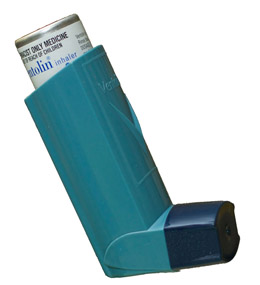
Who Can Benefit from Ventolin?
Ventolin is primarily prescribed for individuals diagnosed with asthma or chronic obstructive pulmonary disease (COPD). These conditions often involve episodes of airway constriction, leading to difficulty breathing, wheezing, and coughing. Ventolin provides relief by relaxing airway muscles and restoring normal airflow.
Children with asthma frequently use Ventolin inhalers as a preventive measure against sudden attacks. Pediatric use requires careful dosage adjustments to ensure safety and efficacy. Parents are typically trained on how to assist their children with proper inhalation techniques, ensuring optimal drug delivery.
Adults with COPD find Ventolin helpful in managing chronic symptoms such as shortness of breath and wheezing. Regular use as part of a comprehensive treatment plan can significantly improve their daily functioning and quality of life. It is also effective for individuals experiencing acute exacerbations of respiratory conditions.
Athletes prone to exercise-induced bronchospasm can benefit from Ventolin as a preventive measure. By using it before workouts or competitions, they can avoid respiratory distress and maintain peak performance. Its rapid onset of action is particularly advantageous in these scenarios.
Ventolin is also used in emergency medical situations to alleviate sudden and severe respiratory distress. In such cases, its fast-acting properties can be lifesaving. Emergency responders and healthcare settings often stock Ventolin as a critical part of their respiratory management protocols.
Patients with temporary respiratory conditions, such as those caused by respiratory infections, may also benefit from Ventolin. Its ability to quickly relieve symptoms makes it a versatile option for short-term use under medical supervision.

How to Use Ventolin Correctly?
Using Ventolin correctly is crucial to achieving its intended benefits. For inhalers, it is essential to shake the device well before use. Patients should exhale completely, place the mouthpiece in their mouth, and inhale deeply while pressing down on the inhaler to release the medication. Holding their breath for a few seconds afterward allows the drug to settle in the lungs effectively.
Nebulizers require proper assembly and cleaning to ensure efficient delivery. Patients should follow instructions for mixing the medication with saline and using the device as directed. Sitting upright during nebulization helps optimize airflow and drug absorption.
Oral tablets and syrups should be taken as prescribed, with or without food. It is vital to adhere to the dosage and timing recommendations to avoid potential side effects or reduced efficacy. Missing doses can compromise treatment outcomes.
Patients are advised to track their medication usage to prevent overuse, which can lead to reduced effectiveness over time. Keeping a log of symptoms and usage patterns helps in monitoring the condition and adjusting treatment if necessary.
Regular maintenance of inhalers and nebulizers ensures consistent performance. Devices should be cleaned periodically and replaced according to the manufacturer’s guidelines. Proper care extends their lifespan and ensures the reliability of treatment.
By following these steps, patients can maximize the therapeutic benefits of Ventolin while minimizing potential risks. Education and adherence are key components of effective respiratory care.

Potential Risks and Side Effects of Ventolin
Like any medication, Ventolin may cause side effects in some individuals. Common side effects include mild tremors, nervousness, or an increased heart rate. These symptoms are generally temporary and resolve as the body adjusts to the medication.
Some patients may experience headaches, throat irritation, or a dry mouth after using Ventolin. Staying hydrated and rinsing the mouth after inhalation can help alleviate these symptoms. Using a spacer with an inhaler may also reduce throat irritation.
In rare cases, Ventolin can cause more serious side effects, such as chest pain, irregular heartbeat, or severe allergic reactions. Immediate medical attention is required if such symptoms occur. Patients with known hypersensitivity to salbutamol should avoid using this medication.
Overuse of Ventolin can lead to decreased effectiveness and an increased risk of side effects. Patients are advised to use the medication only as prescribed and to consult a doctor if symptoms persist or worsen over time.
Long-term use of Ventolin in higher doses may require monitoring to prevent complications. Regular check-ups can help in adjusting the dosage or exploring alternative treatments if necessary.
Understanding the potential risks associated with Ventolin allows patients to use it safely and effectively. Awareness and proper use can significantly enhance its benefits while minimizing any adverse effects.
Alternative Treatments to Ventolin
For patients who may not respond well to Ventolin, several alternative medications are available. Long-acting beta-agonists (LABAs) like salmeterol provide extended relief for chronic respiratory conditions. These are often combined with corticosteroids for comprehensive management.
Inhaled corticosteroids, such as budesonide or fluticasone, target inflammation in the airways and are commonly used alongside Ventolin. They help reduce the frequency and severity of asthma attacks, providing long-term control.
Leukotriene receptor antagonists, like montelukast, offer an oral alternative for managing respiratory conditions. These medications work by blocking substances that cause airway inflammation and bronchoconstriction.
For severe cases, biologic therapies targeting specific inflammatory pathways may be considered. Medications like omalizumab or mepolizumab are tailored for individuals with refractory asthma and other complex conditions.
Non-pharmacological approaches, such as breathing exercises, pulmonary rehabilitation, and lifestyle modifications, complement medical treatments. These strategies help improve lung function and overall quality of life.
Exploring these alternatives ensures that patients have access to tailored treatments that address their specific needs and preferences.
How to Choose the Right Ventolin Option?
Choosing the right form of Ventolin depends on the severity and nature of the respiratory condition. Inhalers are ideal for quick relief and portable use, making them suitable for mild to moderate cases. Nebulizers are more effective for severe symptoms or patients who have difficulty using inhalers.
Patients with specific dosage requirements may benefit from oral forms like tablets or syrups. These options provide flexibility but require careful monitoring to avoid systemic side effects.
Consulting with a respiratory specialist helps determine the most appropriate form and dosage. Personalized treatment plans ensure optimal outcomes and minimize risks. Regular follow-ups help assess the effectiveness of the chosen option and make necessary adjustments.
Cost and insurance coverage may also influence the choice of Ventolin products. Generic versions offer a more affordable alternative without compromising quality or efficacy.
By considering these factors, patients can select the Ventolin option that best aligns with their medical needs and lifestyle.
How Does Ventolin Improve Quality of Life?
Ventolin significantly enhances the quality of life for individuals living with respiratory conditions. Its rapid action provides immediate relief during asthma attacks or COPD exacerbations, allowing patients to regain normal breathing and reduce anxiety associated with respiratory distress.
For those with chronic conditions, Ventolin helps maintain consistent airflow, enabling participation in daily activities and reducing limitations caused by breathing difficulties. This improves physical stamina and promotes a more active lifestyle.
Children with asthma benefit greatly from Ventolin’s preventive applications. By using it before engaging in physical activities, they can participate in sports and outdoor play without fear of sudden respiratory episodes. This fosters confidence and encourages normal childhood development.
Ventolin’s portability and ease of use make it an invaluable tool for managing respiratory health on the go. Inhalers are discreet and convenient, ensuring that patients can respond quickly to symptoms wherever they are, reducing disruptions to their routine. Once diagnosed, the priority is smoking cessation.
For individuals with exercise-induced bronchospasm, Ventolin provides a reliable solution that enables them to pursue fitness goals and maintain overall health. This contributes to a balanced lifestyle and better long-term outcomes for respiratory conditions.
By addressing both acute and chronic respiratory challenges, Ventolin empowers patients to lead fuller, more independent lives. Its role in improving breathing and reducing symptom burden makes it an essential part of modern respiratory care.
Ventolin FAQ
Ventolin (salbutamol) is a short-acting beta-agonist (SABA), which provides rapid relief of acute asthma and COPD symptoms. Other bronchodilators, such as salmeterol (a long-acting beta-agonist, LABA), work over a longer period and are typically used for ongoing control rather than immediate relief.
Yes, Ventolin can be used to treat conditions such as chronic obstructive pulmonary disease (COPD), exercise-induced bronchospasm, and sometimes for acute respiratory distress in emergency settings. However, it is primarily used for asthma management.
If you miss a dose of Ventolin, take it as soon as you remember. If it is almost time for your next dose, skip the missed dose. Do not take two doses at the same time to make up for a missed one.
Ventolin is generally safe for long-term use under the guidance of a healthcare provider. However, overuse or reliance on Ventolin alone without addressing the underlying condition can indicate poor asthma or COPD control, and may require adjustment of the treatment plan.
Yes, some individuals may experience dry mouth or throat irritation after using Ventolin. Rinsing your mouth with water after use can help alleviate this sensation. If the dryness persists, consult your healthcare provider for advice.
Ventolin is typically used as needed for symptom relief. However, if you find yourself needing to use it more than once a day frequently, this may indicate that your asthma or COPD is not well-controlled, and you should consult your healthcare provider for a possible treatment adjustment.
Ventolin is considered relatively safe during pregnancy when used as directed, particularly for asthma management. However, it is always important to consult your healthcare provider before using any medication during pregnancy.
Ventolin inhalers should be stored at room temperature, away from heat and direct sunlight. Do not freeze the inhaler or expose it to temperatures above 30°C (86°F). Keep the inhaler in its original packaging to protect it from light.
Ventolin can cause a slight increase in heart rate and blood pressure. If you have high blood pressure or any heart-related conditions, consult your healthcare provider before using Ventolin. They may recommend an alternative or monitor your condition closely during treatment.
Yes, Ventolin does have an expiration date. You should not use the inhaler past this date, as the medication may lose its effectiveness. Always check the expiration date before use and replace expired inhalers.
Overuse of Ventolin can cause symptoms such as increased heart rate, tremors, nervousness, or headaches. If you experience any of these symptoms or suspect an overdose, seek immediate medical attention.
Ventolin is often used in combination with other asthma medications, such as inhaled corticosteroids or long-acting beta-agonists (LABAs), to provide both immediate relief and long-term control. However, always follow your healthcare provider's recommendations regarding combinations.
Ventolin can help reduce coughing caused by bronchoconstriction, such as in asthma or COPD. However, it does not treat coughs caused by other conditions, such as viral infections. If your cough persists, consult your healthcare provider for further evaluation.
If Ventolin gets into your eyes, rinse them immediately with water. If irritation or redness persists, contact your healthcare provider for further advice.
There is no direct interaction between Ventolin and alcohol. However, drinking alcohol in excess can exacerbate respiratory symptoms, making it more difficult to manage your condition. It is always best to use caution and follow your healthcare provider's guidance.
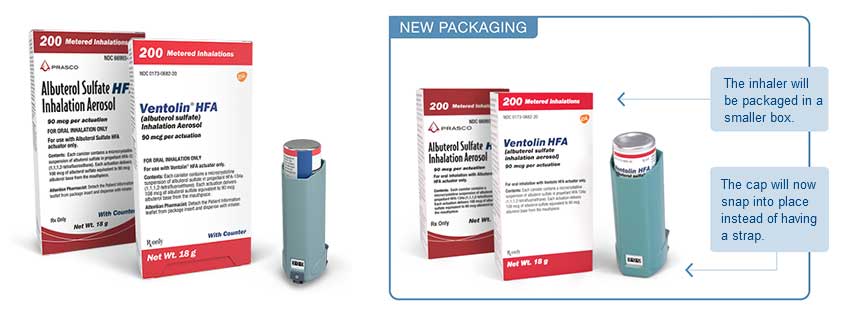
Most Ventolin inhalers come with a counter to track the number of doses remaining. If your inhaler doesn't have this feature, you may notice a difference in the mist or the amount of medication dispensed. If in doubt, consult the manufacturer’s instructions or check with your healthcare provider.
Yes, Ventolin can be used as a preventive measure before exercise to prevent shortness of breath and bronchospasm in individuals with exercise-induced asthma or bronchoconstriction. It is typically used 15-30 minutes before physical activity for optimal results.
If your Ventolin inhaler appears to be malfunctioning, check that it is not clogged or expired. If the inhaler is still not working, consult your healthcare provider for a replacement inhaler or an alternative treatment plan.
No, you should never share your inhaler with anyone else. It is important that inhalers are used only by the person for whom they are prescribed to prevent contamination and ensure proper dosing.
Both Ventolin and Proventil are brand names for albuterol (salbutamol), a short-acting beta-agonist used to relieve bronchospasm. The main difference lies in their brand names, manufacturing, and cost, but the active ingredient and effectiveness are the same.
Future Prospects for Ventolin and Respiratory Care
The development of medications like Ventolin highlights the advances in respiratory care over recent decades. Ongoing research aims to enhance the efficacy of beta-agonists and develop new formulations that offer even faster relief and fewer side effects. These innovations promise to provide better solutions for individuals managing respiratory conditions.
One promising area of development is the combination of Ventolin with other therapies, such as anti-inflammatory drugs or biologics, in a single device. These combined treatments could simplify medication regimens and improve adherence among patients, ensuring better long-term outcomes.
Technological advancements in inhaler design are also set to enhance Ventolin’s accessibility. Smart inhalers with built-in sensors and connectivity features enable real-time monitoring of usage patterns and adherence. This data can help personalize treatment and identify potential issues before they escalate.
Efforts to improve the sustainability of Ventolin products are another focus. The transition to environmentally friendly propellants in inhalers aligns with global initiatives to reduce the environmental impact of medical devices while maintaining efficacy.
Public health initiatives aim to increase awareness about the proper use of Ventolin and other respiratory medications. Educational campaigns and community programs can empower patients to take control of their respiratory health and improve outcomes across diverse populations.
The future of respiratory care lies in integrating innovative therapies, advanced technology, and patient-centered approaches. Ventolin remains at the forefront of this evolution, offering hope and relief to millions worldwide.
Inhalers
- Advair (Fluticasone, Salmeterol)
- Atrovent (Ipratropium)
- Combivent (Ipratropium albuterol)
- DuoNeb (Albuterol and ipratropium)
- Flovent (Fluticasone)
- Proventil (Albuterol)
- Pulmicort (Budesonide)
- Serevent (Salmeterol)
- Symbicort (Budesonide)
- Ventolin (Albuterol, Asthalin)
- Xopenex (Levosalbutamol)
Nasal sprays
Pills
- Allegra (Fexofenadine)
- Benadryl (Diphenhydramine)
- Clarinex (Desloratadine)
- Clenbuterol HCL
- Medrol (Methylprednisolone)
- Periactin (Cyproheptadine)
- Phenergan (Promethazine)
- Quibron-T (Theophylline)
- Singulair (Montelukast sodium)
- Sterapred (Prednisone, Deltasone)
- Zyrtec (Cetirizine)
Eye drops
Articles
- Current COPD Treatments
- Specialties in Respiratory Care
- About the AARC
- Ideas for Respiratory Care Week Activities
- AARC Ethics Course
- Common types of respiratory medications used to treat breathing problems
- Five Signs Your Asthma Is Getting Worse
- Allergic Rhinitis and You
- Asthma, Bronchitis and Emphysema
- Treatment of Chronic Asthma
- Incentive Spirometry
- Guidelines for Acquisition of Ventilators to Meet Demands for Pandemic Flu and Mass Casualty Incidents
-
How do I know when to dispose of my Ventolin inhaler?
You should throw away your Ventolin inhaler when the dose counter reads "000" or when it's been 12 months since you first opened the package, whichever comes first. The inhaler's packaging will also have an expiration date printed on it. You should also throw away the inhaler if the expiration date has passed, even if there's still medication inside the device. If you no longer need to take Ventolin and have leftover medication, it's important to dispose of it safely. This helps prevent others, including children and pets, from taking the drug by accident. It also helps keep the drug from harming the environment.